How to Maintain a Car With Paint Protection Film
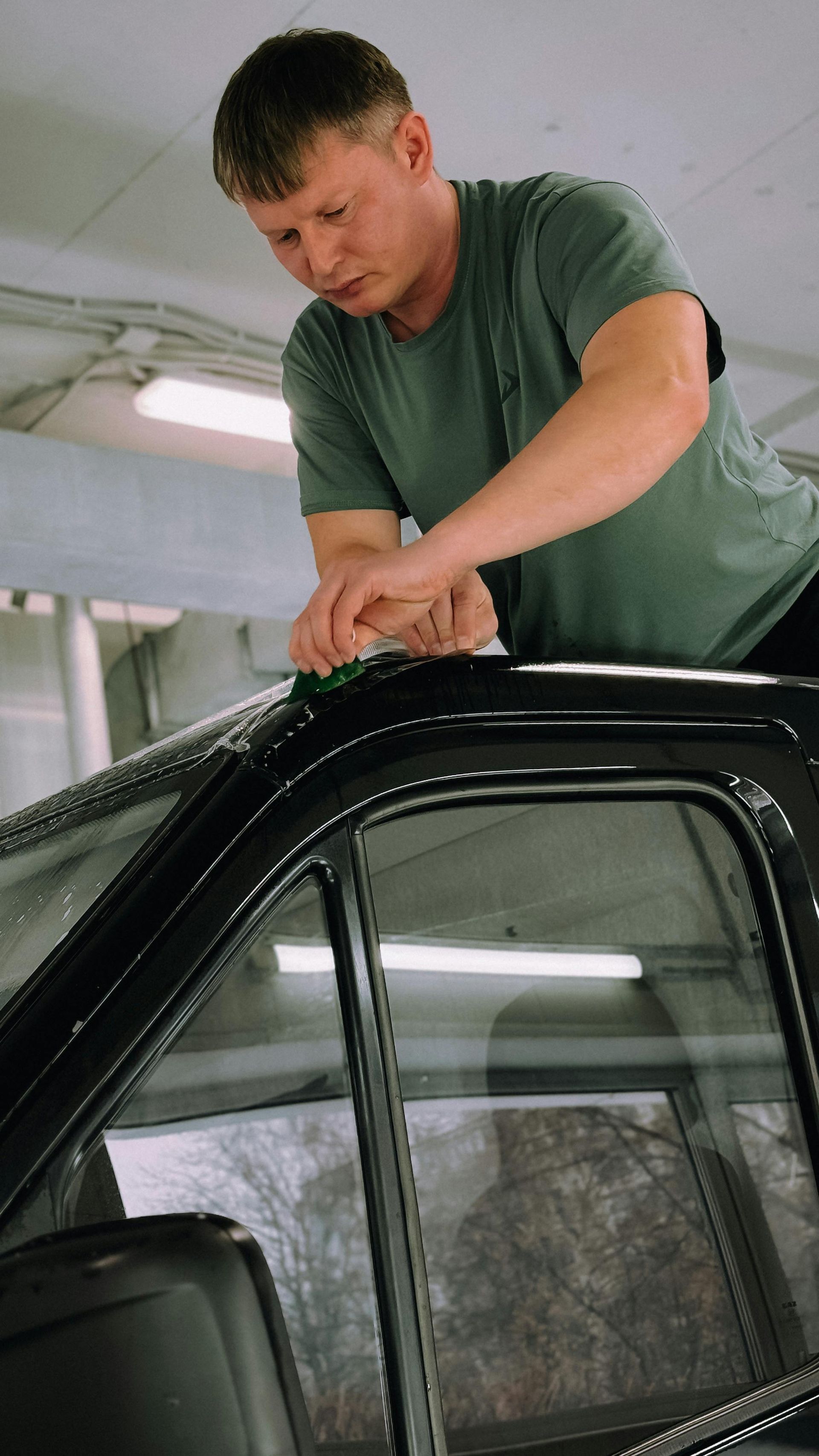
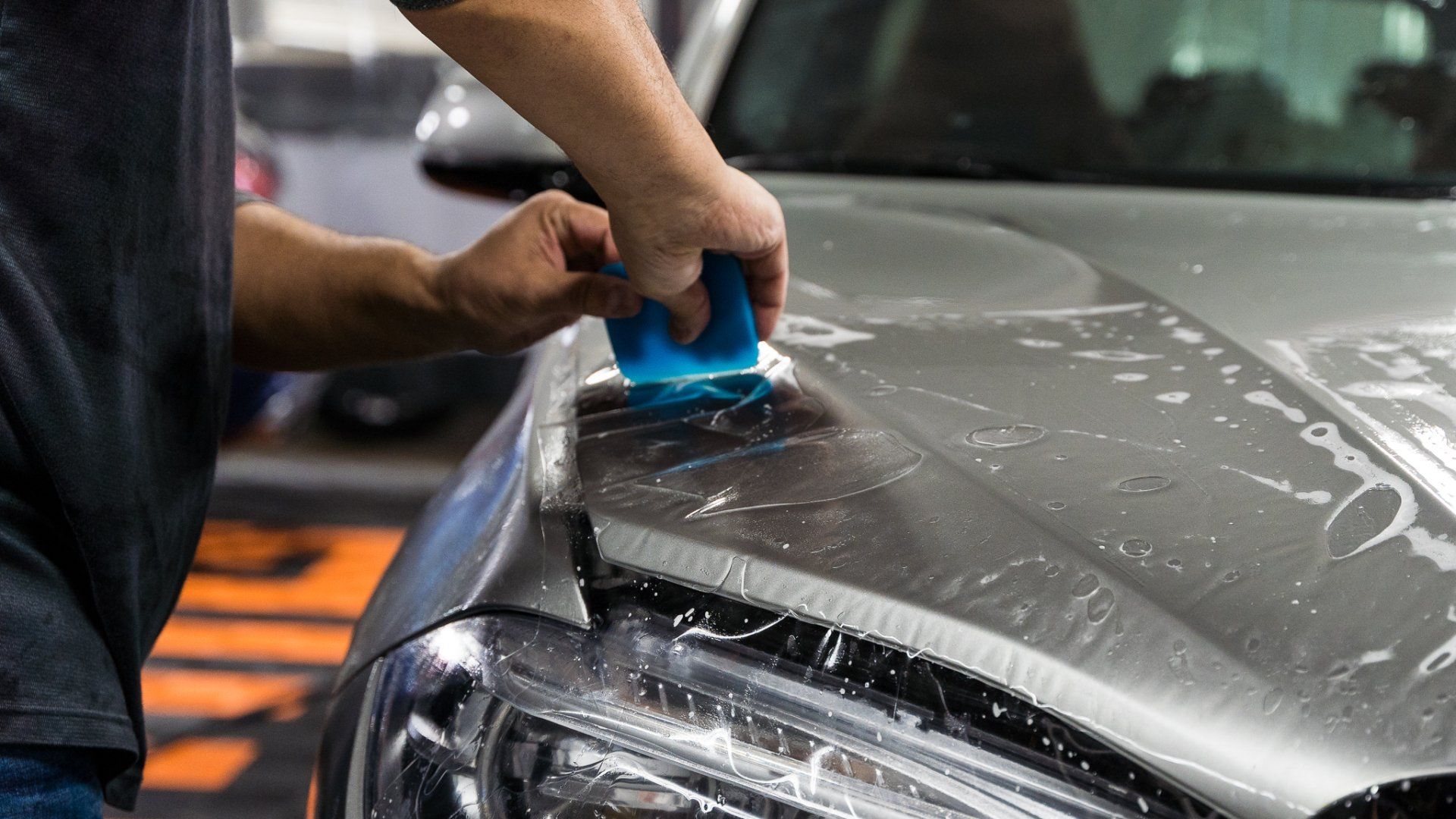
Paint Protection Film (PPF) is designed to take the abuse that would otherwise reach your vehicle's paint. It helps protect vulnerable painted surfaces from rock chips, road debris, minor scratches, and other everyday hazards while preserving the appearance of the original finish.
But PPF is not completely maintenance-free.
The good news is that caring for a car with PPF is relatively simple. You do not need complicated detailing routines or special equipment. You do need the right washing technique, appropriate products, and a little consistency.
With proper care, your PPF can remain clear, glossy, and securely bonded while continuing to provide the protection it was installed to deliver.
How Often Should You Wash a Car With PPF?
A regular washing schedule is one of the most important parts of PPF maintenance.
There is no single schedule that works for every vehicle because contamination depends on driving frequency, weather, storage, road conditions, and climate.
Regular washing prevents dirt, insects, bird droppings, hard-water deposits, and other contaminants from remaining on the film for extended periods.
For a daily driver, washing every one to two weeks is a reasonable starting point. A car that is driven less often may need less frequent washing, while a vehicle exposed to heavy road grime, pollen, insects, or other contaminants may need attention sooner.
Always Follow the Initial Post-Installation Care Instructions
The first few days after PPF installation are different from normal maintenance.
The film and adhesive need time to properly settle and bond to the vehicle. The exact waiting period depends on the specific PPF product and the installer's instructions.
That means you should not assume that the same waiting period applies to every film.
The best rule is simple: follow the care instructions provided by your PPF installer and the film manufacturer.
Once the initial curing period has passed, regular maintenance becomes much easier.

Handwashing Is the Best Choice for PPF
If you want to maximize the appearance and longevity of your PPF, handwashing is the safest general approach.
A proper hand wash allows you to control:
- The pressure applied to the surface,
- The tools touching the film,
- The cleaning products being used,
- The order in which different areas are cleaned,
- How much dirt is moved across the surface.
If handwashing is not possible, a touchless wash is generally preferable to a conventional automatic wash with rotating brushes. However, always consider the specific recommendations for your film.
Start With a Thorough Rinse
One of the easiest ways to create unnecessary scratches during washing is to rub dirt across the surface.
Before touching the vehicle with a wash mitt, rinse it thoroughly to remove as much loose dirt and grit as possible.
This first rinse reduces the amount of abrasive contamination sitting between your wash mitt and the PPF.
A useful sequence is:
- Rinse the vehicle thoroughly.
- Wash from the cleanest areas toward the dirtiest areas.
- Use a clean microfiber wash mitt.
- Rinse the mitt frequently.
- Rinse the vehicle again.
- Dry it using a clean microfiber towel or suitable air blower.
The principle is simple: less friction means less opportunity for unnecessary surface damage.
Use a Mild, PPF-Safe Car Shampoo
PPF does not require an aggressive chemical cleaner to get clean.
A quality automotive shampoo designed for regular vehicle maintenance is generally sufficient. Follow the film manufacturer's recommendations and avoid products that contain abrasive compounds or solvents that are not approved for use on the film.
You also do not need to scrub harder simply because an area has stubborn contamination.
If something does not come off easily, allow an appropriate cleaning solution to loosen it rather than increasing pressure.

Never Scrub Dried Contaminants Off PPF
Bird droppings, insects, tree sap, and other contaminants are easier to remove when they are fresh.
Leaving them on the surface until they dry can make removal more difficult and increases the temptation to scrub.
Instead, soften the contamination first.
For example, a difficult spot can often be loosened with water and an appropriate automotive cleaning solution before being gently wiped away.
This is one of the simplest PPF maintenance habits to adopt:
If something contaminates the film, remove it sooner rather than later.
Be Careful With Pressure Washers
Pressure washers can be used around a PPF-equipped vehicle, but technique matters.
The biggest concern is not simply water pressure against the middle of the film. It is directing high-pressure water too close to film edges, seams, or areas where the film may already be compromised.
Therefore:
- Keep the nozzle at a safe distance.
- Avoid concentrating pressure on film edges.
- Do not use high-pressure water to "blast" contamination from seams.
- Inspect damaged or lifted areas rather than trying to force them back down.
When in doubt, lower the pressure and increase the cleaning time rather than increasing the force.
Dry Your PPF After Washing
Do not simply wash the vehicle and leave it to air-dry.
Water can contain minerals that remain behind when it evaporates. Those minerals can create water spots, particularly when water dries on a hot surface or in direct sunlight.
A good drying technique is:
- Use a clean, plush microfiber drying towel.
- Work gently rather than applying heavy pressure.
- Use an air blower to remove water from seams and edges where appropriate.
- Avoid letting standing water dry on the surface.
- If the vehicle is heavily contaminated, make sure the washing process has removed the contamination before drying rather than using the drying towel to pick up remaining dirt.

Can You Use a Ceramic Coating or Sealant on PPF?
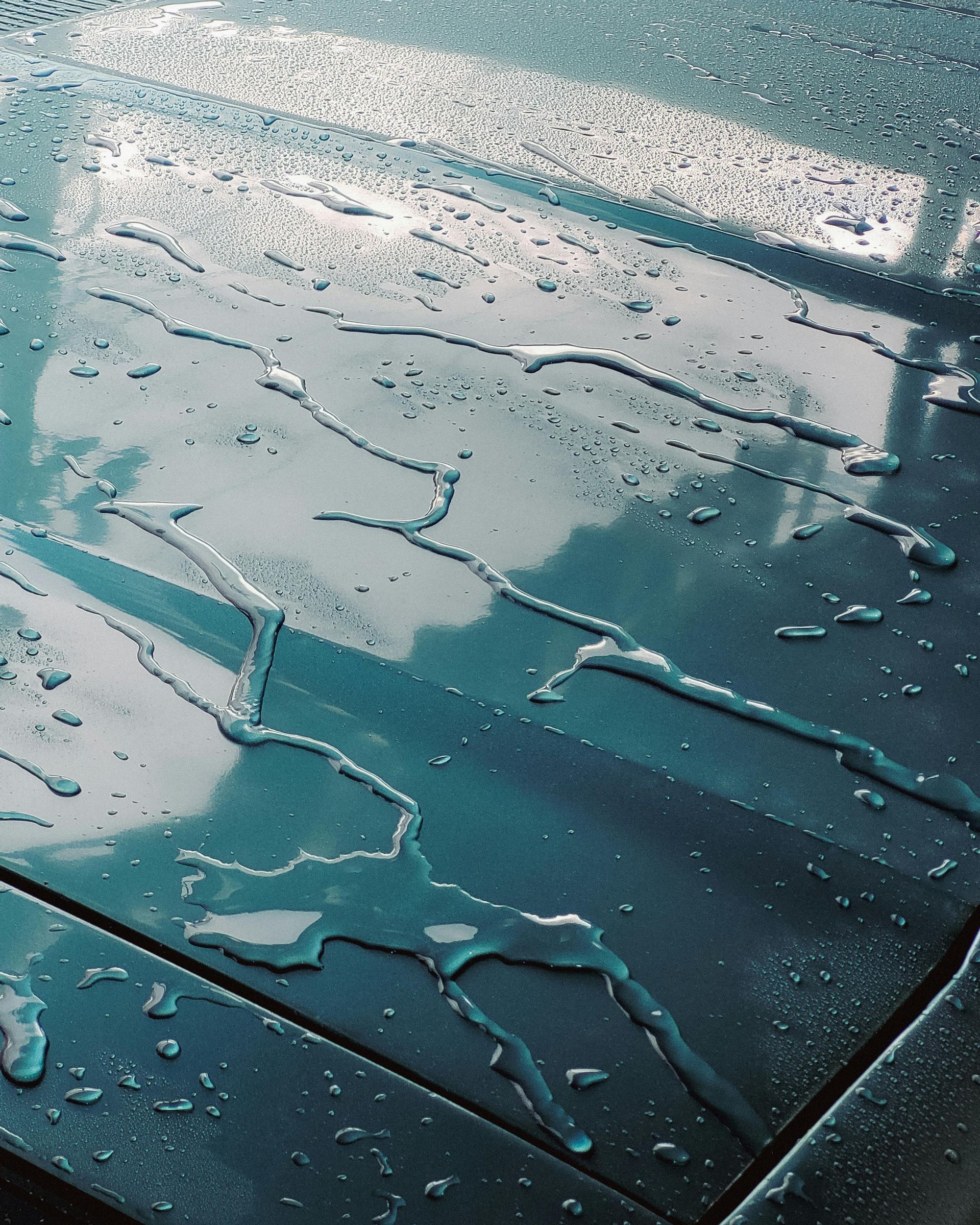
Yes, compatible ceramic coatings and PPF-specific maintenance products can be used to add hydrophobic properties and make the film easier to maintain.
However, the product needs to be specifically suitable for the PPF you have installed.
Not every wax, polish, coating, or detailing chemical is appropriate for every film.
If your PPF has been ceramic coated, follow the coating manufacturer's aftercare instructions as well as the PPF manufacturer's recommendations.
The important point is that PPF does not automatically require another coating, but a compatible ceramic coating or maintenance product can provide additional hydrophobic properties and make routine cleaning easier..
Can You Wax a Car With PPF?
This depends on the product.
Some PPF manufacturers allow specific non-abrasive waxes or protective products, while others recommend dedicated PPF maintenance products instead.
The safest approach is therefore not to assume that every wax is PPF-safe.
Before applying any product, check:
- The PPF manufacturer's recommendations.
- The product label.
- Your installer's guidance.
If the product is not specifically confirmed as safe for your film, do not experiment on the entire vehicle.
What About Polishing PPF?
This is another area where more is not necessarily better.
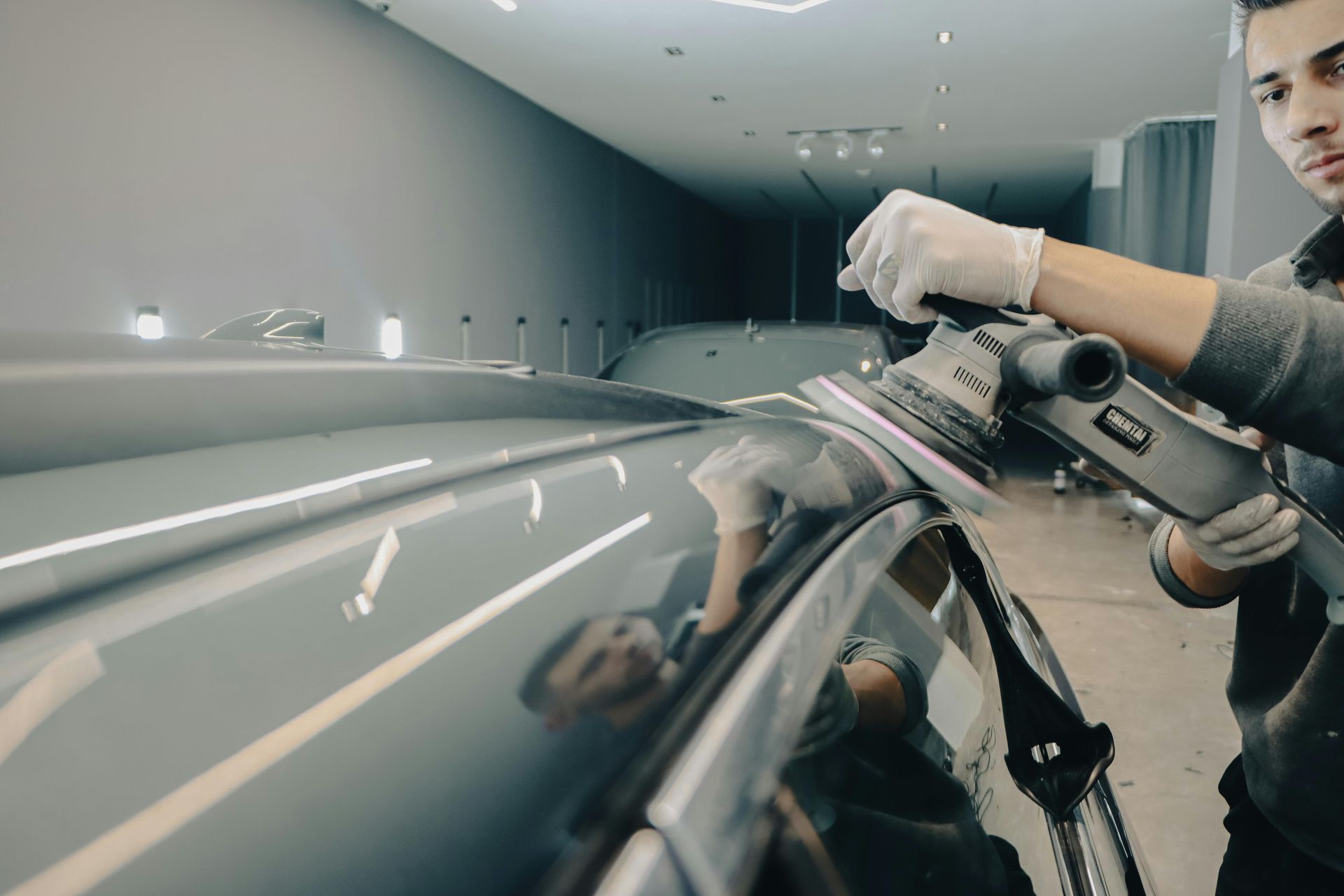
PPF is not painted bodywork. It has its own surface layer and characteristics, and aggressive polishing can damage the film.
If the film has visible staining, scratches, discoloration, or other defects that normal cleaning does not resolve, have the surface assessed by a professional installer.
Do not automatically treat PPF as if it were a conventional clear coat.
What If Your PPF Gets Scratched?
One advantage of many modern PPF products is self-healing technology.
Certain films can reduce or eliminate the appearance of light scratches and swirl-type marks when exposed to appropriate conditions.
But self-healing has limits.
A deeper cut that penetrates the film cannot simply be expected to disappear. Severe damage may require replacement of the affected section.
That is actually one of the main advantages of PPF: the damaged film can often be replaced without repainting the underlying panel, depending on the extent of the damage and condition of the paint underneath.
If you notice a significant cut, lifting edge, bubbling, or other film damage, contact the installer instead of trying to repair it yourself.
Keep Fuel and Chemicals Off the Film
Certain chemicals can affect PPF or its adhesive.
If fuel or another potentially damaging substance spills onto the film, clean it promptly according to the manufacturer's instructions.
The same principle applies to unknown chemicals: do not allow them to sit on the film unnecessarily.
When using any specialized cleaner, verify that it is compatible with your particular PPF.
Avoid Direct Sun During Washing
Washing in direct, intense sunlight is rarely ideal, and PPF is no exception.
When the surface is hot, water and cleaning products can dry quickly and leave behind spotting or streaks.
A shaded garage or covered area is ideal. If that is not possible, choose a cooler part of the day and work efficiently, so the vehicle does not dry before you can rinse it.
Inspect Your PPF Regularly
PPF is doing its job on the road, so occasional inspection is worthwhile.
Look for:
- Lifted edges,
- New bubbles,
- Tears or deep cuts,
- Discoloration,
- Persistent staining,
- Areas where the film appears damaged,
- Contamination trapped around edges.
A small issue is generally easier to address before it becomes a larger one.
If your PPF is installed by Inspire Auto Studio, professional inspection and maintenance can also help determine whether a particular issue requires cleaning, correction, or replacement.
Does PPF Make Car Maintenance Easier?
The purpose of PPF is to provide a sacrificial protective layer between the vehicle's paint and many of the hazards encountered during everyday driving.
It can help reduce the consequences of rock chips, road debris, minor abrasions, and similar damage. It can also make the surface easier to maintain when combined with proper washing and compatible maintenance products.
But PPF still needs to be cleaned.
Think of it as protecting the paint so you can maintain the film instead of constantly correcting the paint underneath it.
That is especially valuable for owners who want to preserve a new vehicle's factory finish for as long as possible.
The Simple PPF Maintenance Routine
You do not need a complicated routine to take care of Paint Protection Film.
A practical maintenance checklist looks like this:
Every wash:
- Rinse thoroughly before touching the surface.
- Use a mild, PPF-safe automotive shampoo.
- Wash by hand with clean microfiber materials.
- Work from cleaner areas toward dirtier areas.
- Avoid abrasive brushes and aggressive scrubbing.
- Rinse thoroughly.
- Dry with clean microfiber or an appropriate air blower.
Between washes:
- Remove bird droppings and insect residue promptly.
- Address tree sap, fuel spills, and other contaminants quickly.
- Do not scrape or aggressively rub stubborn contamination.
Regularly:
- Inspect film edges and surfaces.
- Follow the manufacturer's recommended maintenance products.
- Have damaged areas professionally assessed.
- Follow any required installer or manufacturer inspection schedule.
Protect the Film by Protecting Your Washing Technique
PPF is designed to reduce the amount of damage that reaches your vehicle's paint, but its performance and appearance still depend on proper care.
The most important maintenance habits are not complicated: wash regularly, reduce friction, remove contamination quickly, use appropriate products, dry the film properly, and avoid aggressive tools or chemicals.
At Inspire Auto Studio in Richmond, BC, PPF is available in coverage options ranging from Partial Front and Full Front to Track Package and Full Package, allowing protection to be matched to the vehicle and owner's priorities.
If your vehicle already has PPF and you are unsure how to maintain a particular film, the best approach is to identify the exact product first and follow its manufacturer's care requirements.
Proper PPF maintenance is ultimately about one thing: letting the film absorb the abuse while you avoid creating unnecessary damage during the cleaning process.