Ceramic Coating Maintenance: How Often Does Your Car Need a Professional Detail?
A ceramic coating can make your vehicle easier to wash, more resistant to environmental contamination, and noticeably easier to keep looking glossy. But it is not a maintenance-free finish.
The coating still needs proper care and one of the most common questions after installation is: How often does a ceramic-coated car need professional detailing?
The short answer: most coated vehicles benefit from a professional inspection and maintenance service at least once a year, while the exact schedule depends on how the vehicle is driven and maintained.
How Often Should You Wash a Ceramic-Coated Car?
Professional detailing does not replace regular washing.
A ceramic-coated vehicle should still be washed consistently to prevent dirt, road film, minerals, bird droppings, tree sap, and other contaminants from accumulating on the surface. Professional detailers recommend proper hand-washing techniques, compatible car shampoo, and avoiding abrasive automatic car washes.
How frequently you wash depends on use and conditions. A daily driver exposed to rain, road salt, heavy traffic, or outdoor parking may need attention more often than a weekend vehicle kept in a garage.
The important part is consistency - not waiting until the car looks heavily soiled.
What Does a Professional Maintenance Detail Do?
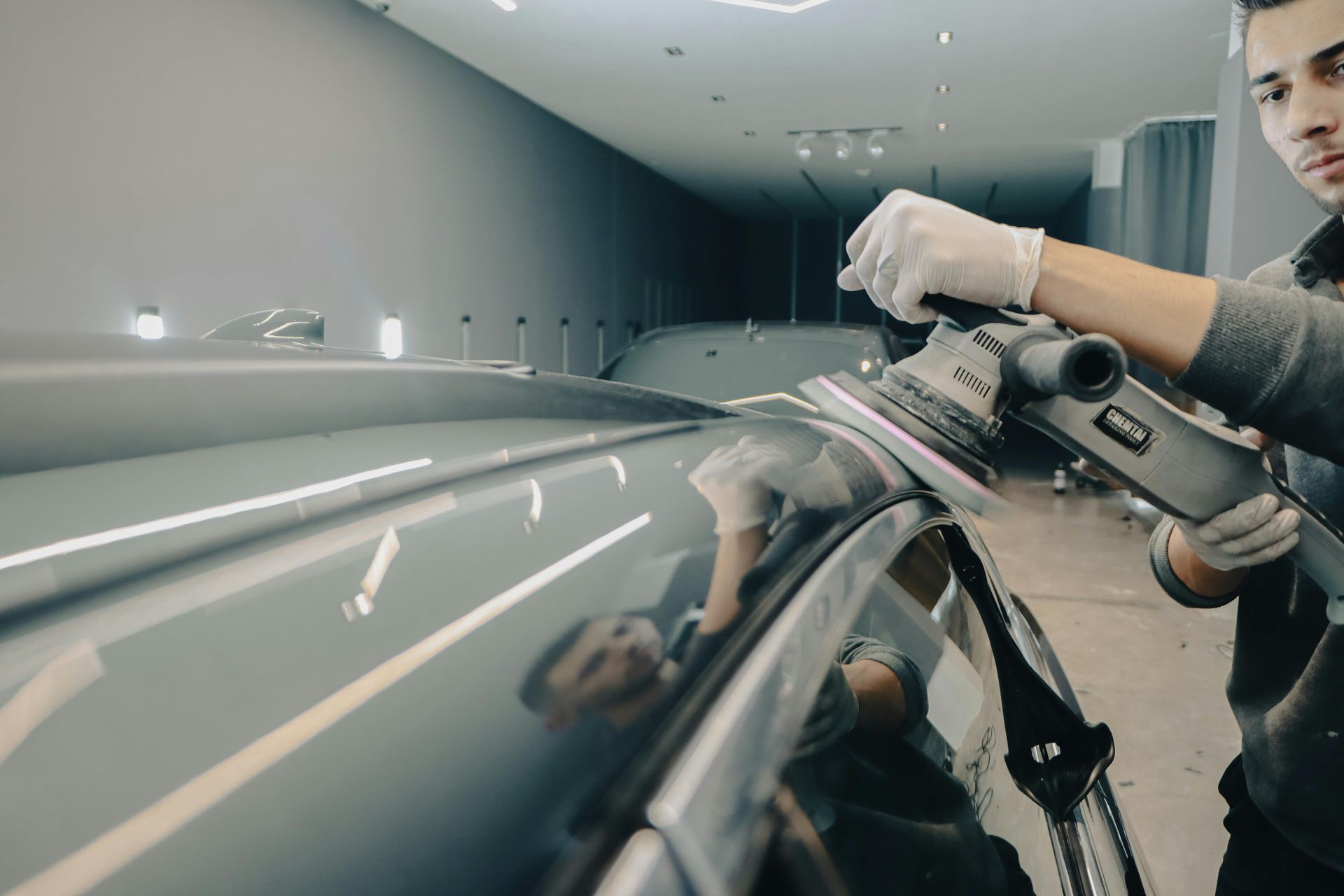
A maintenance detail goes beyond simply washing the vehicle.
Depending on the coating and the vehicle's condition, professional maintenance may include:
- Thorough exterior hand-washing,
- Safe removal of road film and environmental contamination,
- Chemical decontamination,
- Removal of mineral deposits or water spots when appropriate,
- Careful inspection of the coating's condition,
- Cleaning wheels and other coated surfaces,
- Assessment of hydrophobic performance,
- Compatible maintenance products or boosters when recommended.
Professional maintenance can also identify problems early. If contamination has bonded to the surface or the coating is no longer performing as expected, a detailer can determine whether the surface simply needs decontamination or whether additional correction or coating work is necessary.
Why Isn't Washing at Home Enough?
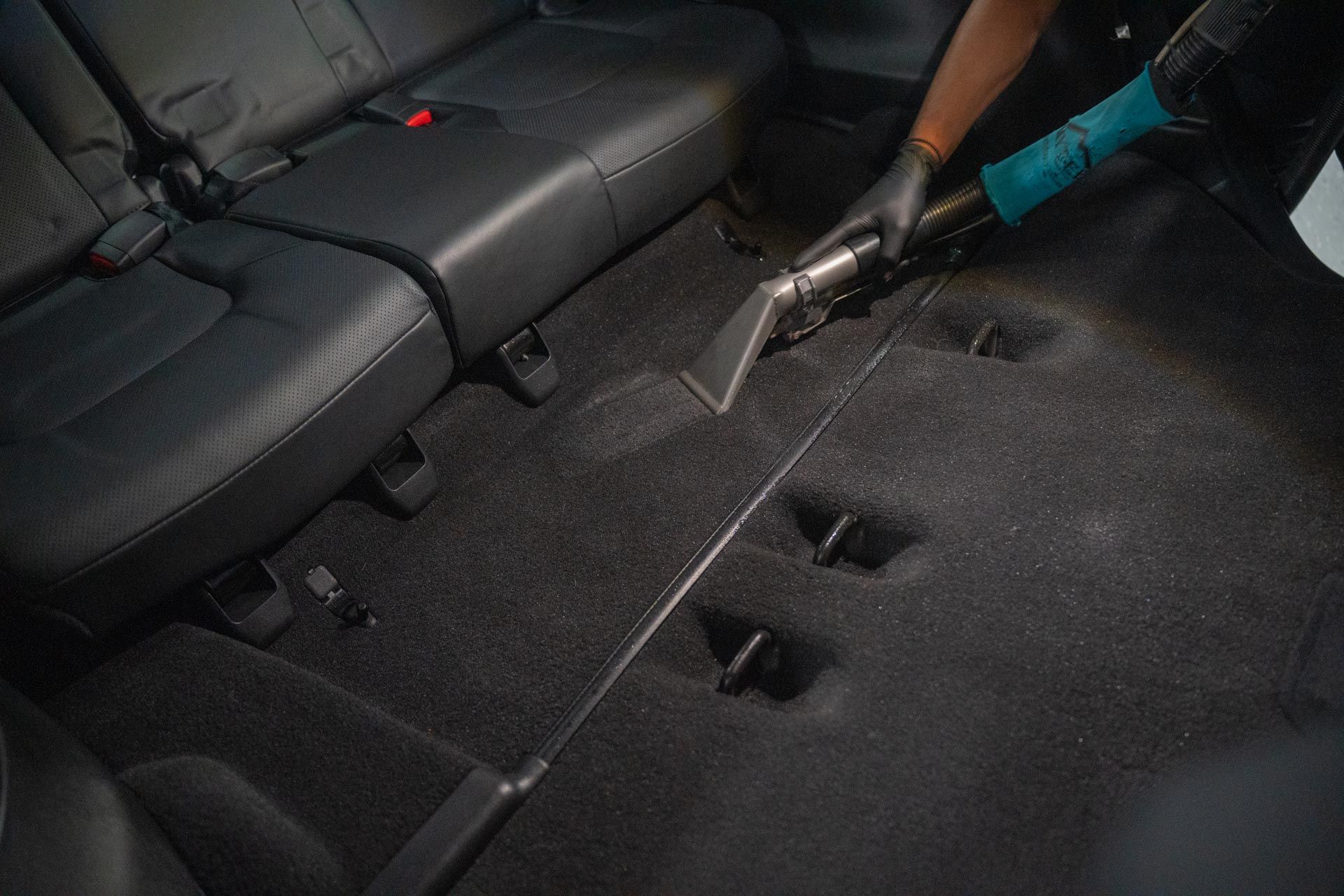
Regular home washing is essential, but it cannot always remove everything that accumulates on a vehicle.
Mineral deposits, traffic film, embedded contamination, and other residues can gradually affect how the surface looks and how water behaves on it. A coating may still be present even when its hydrophobic performance has diminished.
That distinction matters.
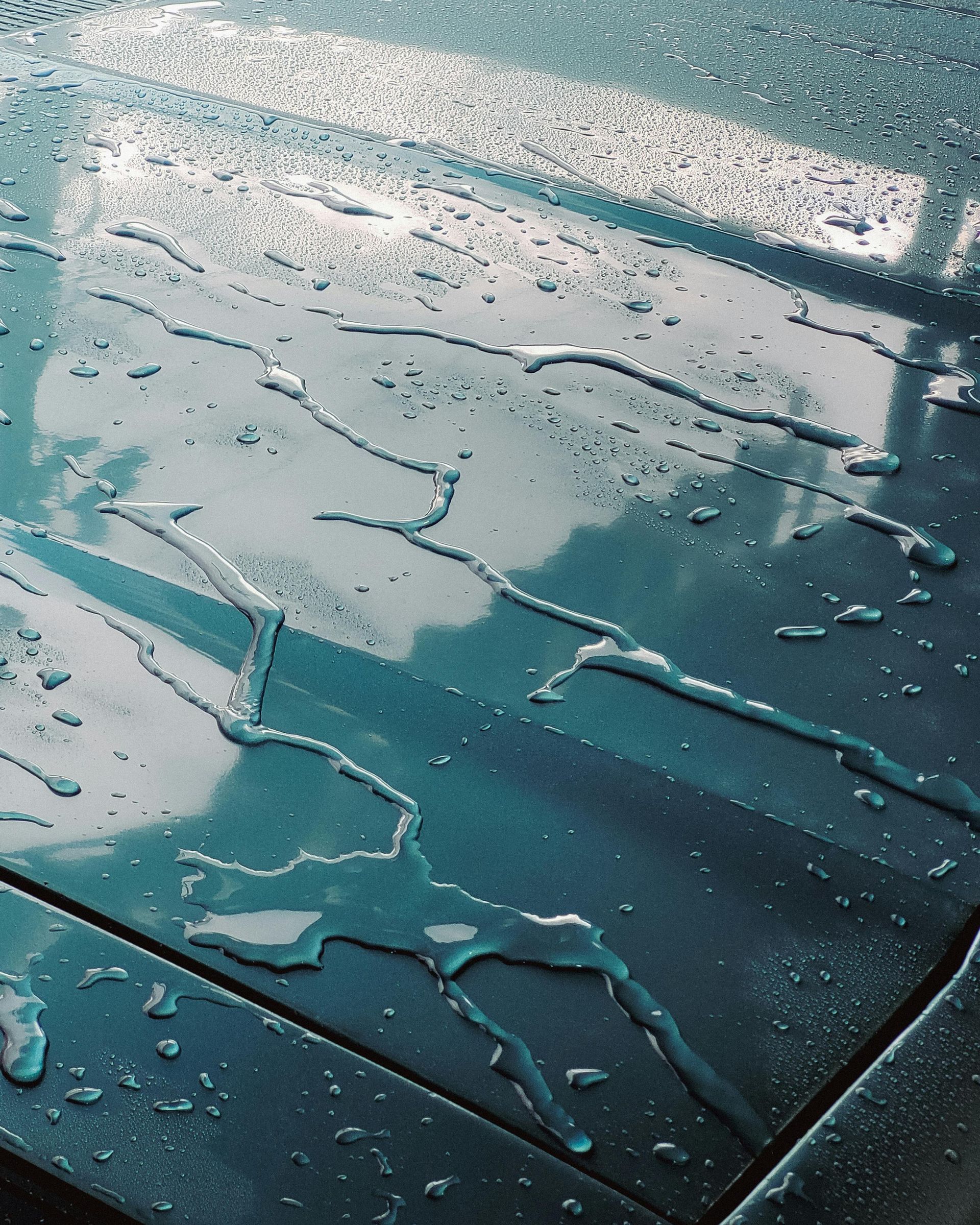
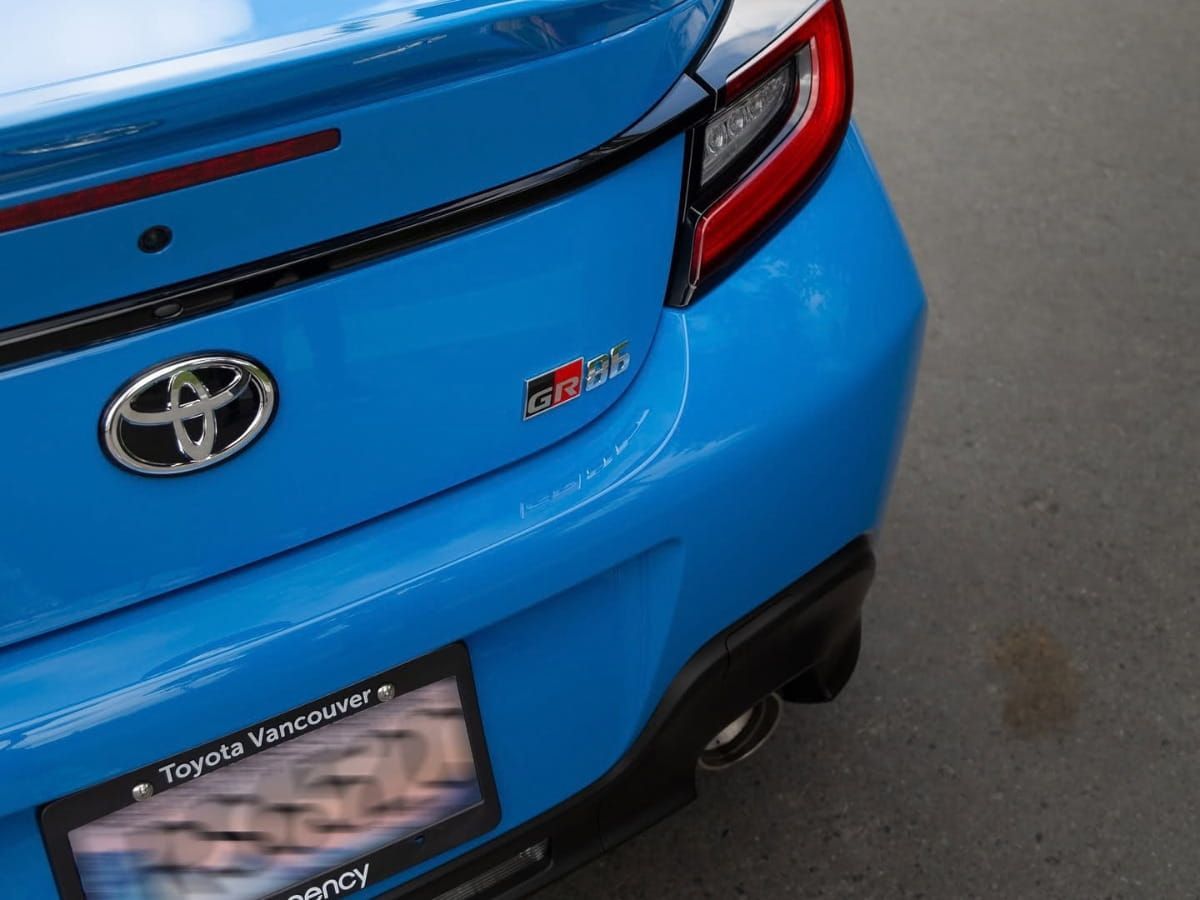
Reduced water beading does not automatically mean the ceramic coating has failed. Contamination sitting on top of the coating can interfere with its surface properties. Professional decontamination can sometimes restore the coating's expected behavior without replacing the coating itself.
Is Annual Professional Maintenance Enough?
For many vehicles, once a year is a sensible professional maintenance benchmark.
FeynLab's guaranty conditions for several professional coatings necessitate an annual inspection by a licensed, accredited applicator.
However, some vehicles may benefit from more frequent professional attention.
Consider a shorter interval if your vehicle:
- Is driven every day,
- Lives outdoors,
- Regularly encounters heavy rain or road salt,
- Is frequently exposed to bird droppings, tree sap, or industrial fallout,
- Travels long distances,
- Is difficult to maintain properly at home.
A garage-kept weekend vehicle with careful washing may require less frequent intervention than a daily driver exposed to everything Richmond and Greater Vancouver weather can bring.
Signs Your Coated Vehicle Needs Professional Attention
You may not need to wait for your scheduled maintenance if you notice:
Water no longer behaves as expected.
The surface may be contaminated rather than the coating being gone.
The paint feels rough after washing.
This can indicate bonded contamination that normal washing did not remove.
Water spots or mineral deposits are becoming noticeable.
The finish looks less clear or glossy.
Washing is becoming noticeably more difficult.
These signs are reasons to have the surface evaluated rather than immediately assuming the coating needs to be reapplied.
Ceramic Coating Still Needs Proper Care
One of the biggest misconceptions about ceramic coatings is that they make a vehicle virtually maintenance-free.
A quality coating creates a protective surface with hydrophobic properties, making contamination easier to remove and helping the vehicle stay cleaner between washes. But proper maintenance remains important to long-term performance.
For best results, use coating-safe products, wash with appropriate techniques, avoid abrasive automatic car washes, and remove bird droppings, tree sap, and other potentially damaging contaminants promptly.
The Bottom Line
Think of ceramic coating maintenance as a system, not a single appointment.
Regular washing keeps everyday contamination under control.
Professional maintenance removes contamination that normal washing may not address and provides an opportunity to inspect the coating.
Periodic professional evaluation helps determine whether the coating is still performing properly or needs additional care.
For many vehicles, an annual professional maintenance detail is a practical starting point, but your driving habits and environment should determine the actual schedule.
At Inspire Auto Studio in Richmond, BC, professional detailing works alongside ceramic coating, PPF, and window tinting to help keep your vehicle protected and looking its best. If you're unsure whether your coating needs a maintenance detail, an inspection can help determine what the surface actually needs before more extensive work is recommended.
Contact us today and let us help you choose the best option for your vehicle.