Is Paint Protection Film Worth It in Vancouver? An Honest Answer
If you've priced out paint protection film and felt the sticker shock, you're not alone. PPF is a real investment — and the honest answer to "is it worth it?" depends entirely on your vehicle, how you drive, and what you're trying to protect.
Here's a straight answer, without the sales pitch.
What Paint Protection Film Actually Does
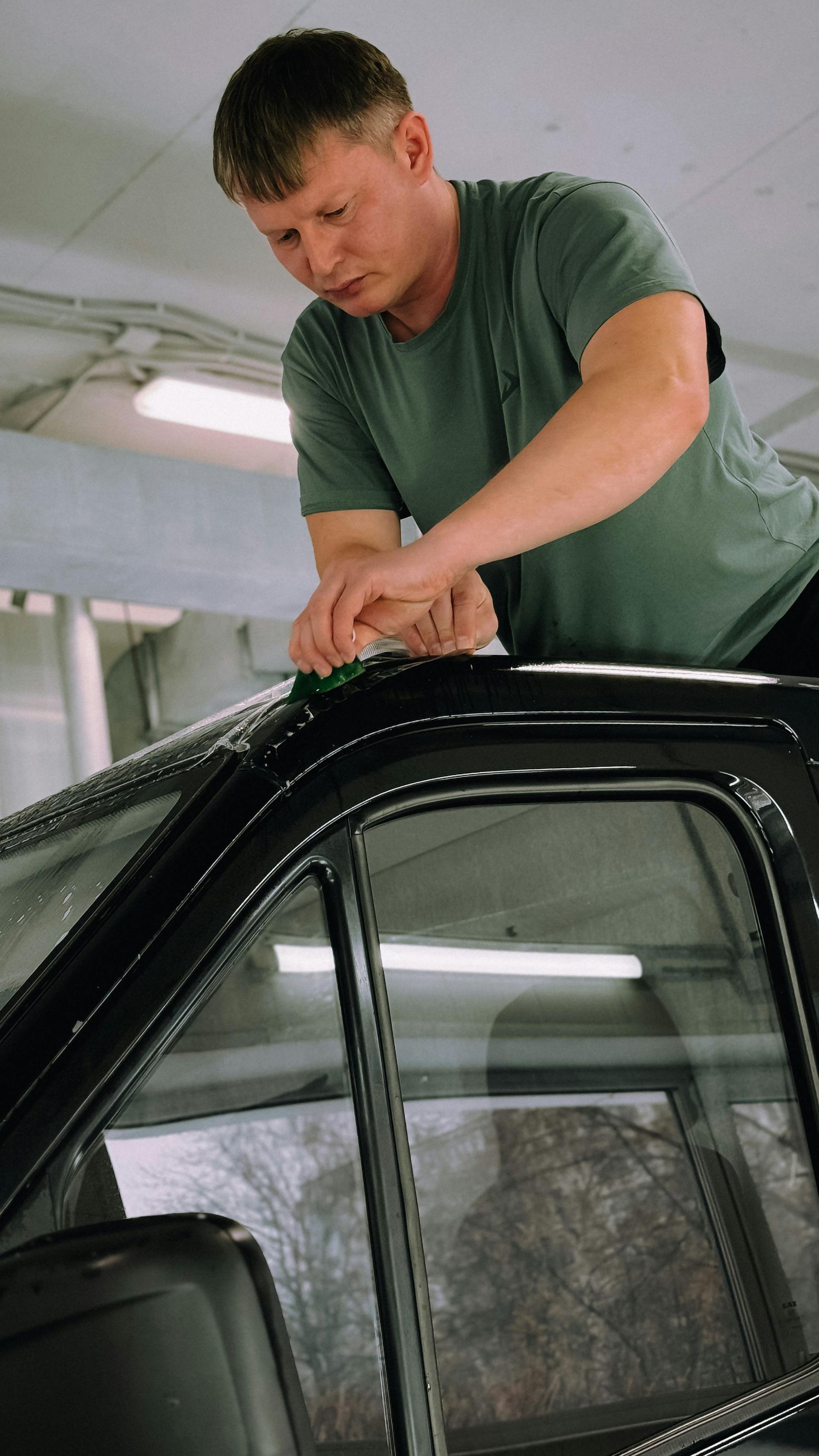
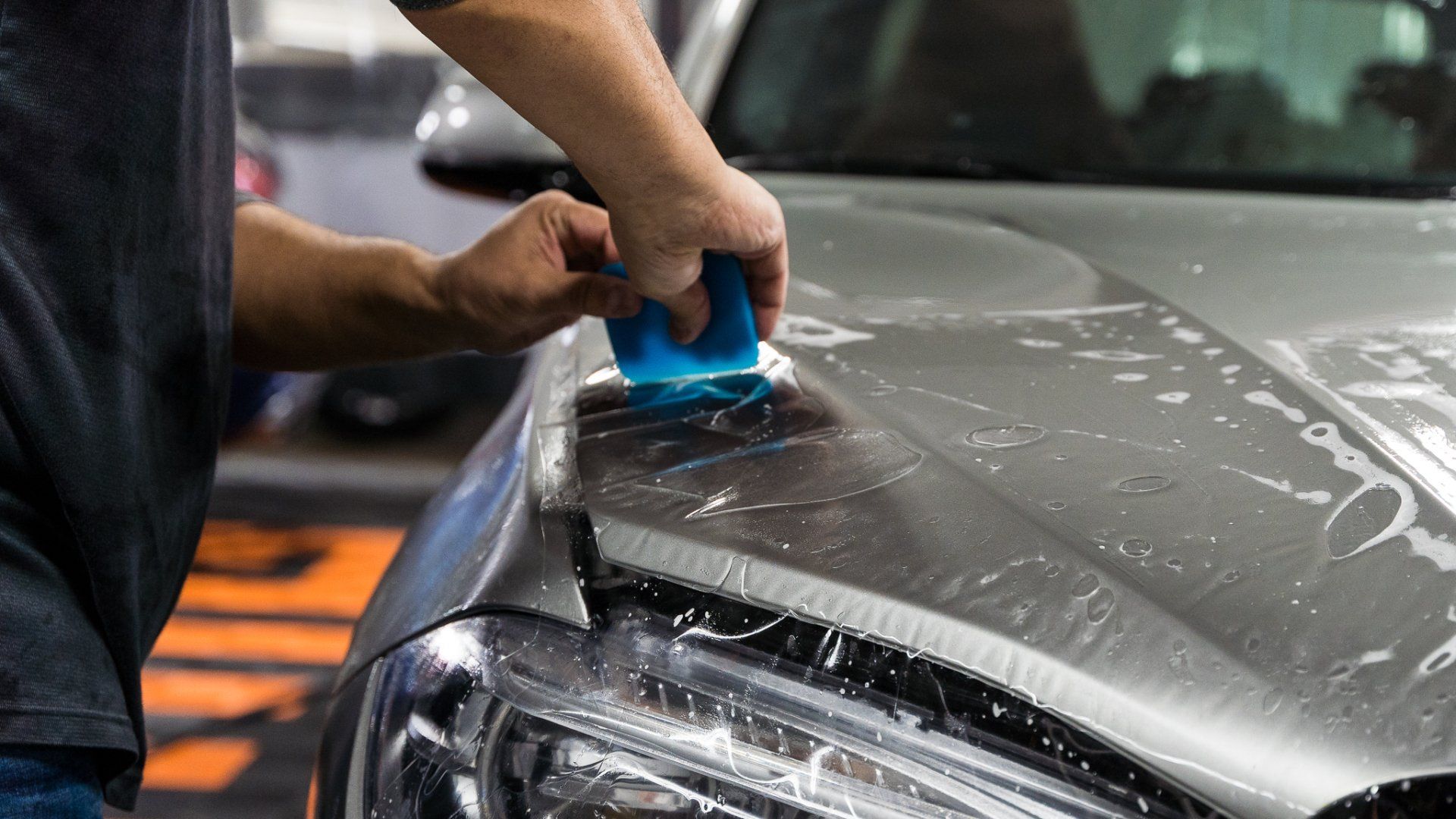
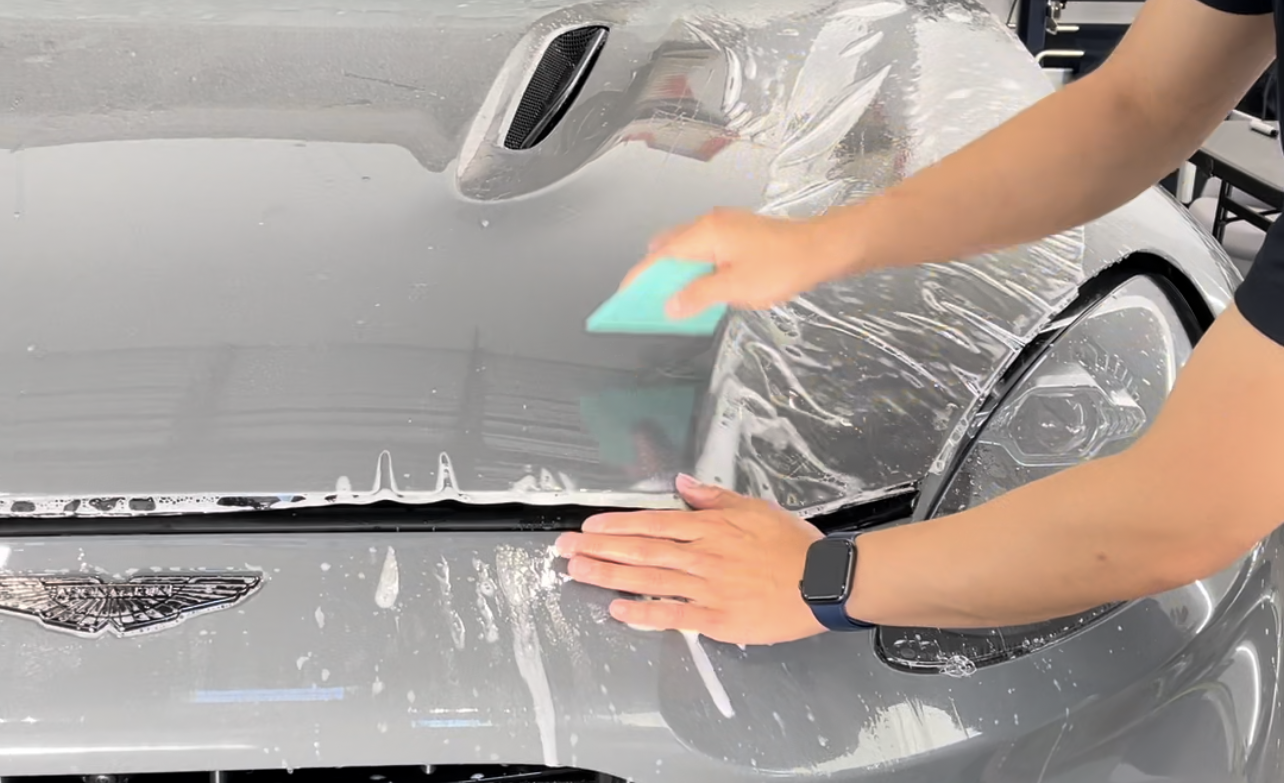
Paint protection film (PPF) is a clear, self-healing urethane film applied directly to your vehicle's painted surfaces. It acts as a physical barrier between your paint and everything the road throws at it.
When a rock chip hits your hood at highway speed, it goes through the film — not your paint. When a shopping cart clips your door in a parking lot, the film absorbs it. Most films are self-healing, meaning light surface scratches disappear on their own with heat from the sun or warm water.
PPF protects against:
- Rock chips and stone strikes at highway speeds
- Road debris and gravel
- Bug splatter and bird droppings (which etch paint if left)
- Light scratches and door dings
- UV fading and oxidation over time
What it doesn't do:
- It won't fix paint that's already damaged — the surface needs to be in good condition before installation
Vancouver Driving Conditions Are Harder on Paint Than Most Cities
This matters more than people realize. Metro Vancouver driving puts your paint through conditions that genuinely accelerate damage:
Highway exposure:The Sea-to-Sky, Coquihalla, Highway 1 through the Fraser Canyon, and even the daily Massey Tunnel commute put vehicles in high-speed debris zones regularly. Rock chips on hoods and bumpers are extremely common here.
Construction zones: Metro Vancouver has had near-constant road and bridge construction for years. Loose gravel and debris in construction zones is one of the top causes of paint damage we see.
Parking lot density: Richmond and Vancouver have dense urban parking. Door dings and parking lot scrapes are a daily risk, especially in underground parkades.
Weather: Rain keeps cars dirtier longer. Wet roads kick up more debris. And when it finally gets sunny, UV exposure accelerates paint fading — especially on darker colours.
None of this means PPF is mandatory for every car in Vancouver. But it does mean the conditions here are tougher on paint than many other Canadian cities.
The Real Cost Comparison
The most common objection to PPF is the upfront cost. It's a fair concern — professional PPF installation isn't cheap. But the comparison most people miss is the cost of *not* having it.
Paint repair costs in the Vancouver area:
- Single rock chip repair (professional): $100–$300+
- Bumper respray: $800–$1,500+
- Hood respray: $1,000–$2,000+
- Full front-end colour match repaint: $2,500–$5,000+
A single significant paint repair on a newer vehicle can easily exceed the cost of a front PPF package. And unlike PPF, a repaint doesn't restore the original factory finish — it introduces a colour match that's rarely perfect, and it affects resale value.
For anyone planning to keep their vehicle for more than 3–4 years, the math usually works in PPF's favour.
Who Should Get Paint Protection Film
PPF makes the most sense if:
- You do regular highway driving — especially on the Sea-to-Sky, Coquihalla, or Highway 1
- You have a new vehicle and want to keep the factory paint intact
- You drive a luxury, exotic, or high-value vehicle where a repaint is particularly expensive
- You've had rock chip damage on previous vehicles and know how frustrating it is
- You're planning to sell the vehicle in the future and want to protect resale value
You can probably skip PPF if:
- You drive primarily on city streets at low speeds with minimal highway exposure
- You have an older vehicle where paint protection is less of a priority
- Your main concern is UV protection and keeping the car clean — ceramic coating alone may be the better fit
Who Should Skip It (Honest Answer)
PPF isn't for everyone. If you drive an older vehicle that's already got paint imperfections, spending on PPF protection may not make financial sense. If you rarely drive at highway speeds and mostly do urban commuting, your chip risk is lower.
In those cases, a quality ceramic coating gives you UV protection, easier cleaning, and a better-looking finish — without the PPF investment.
The right answer depends on your specific situation. That's why we do consultations before recommending anything.
Our PPF Packages at Inspire Auto Studio
We install Inspire PPF (our house brand) and STEK film — both optically clear, self-healing, and backed by manufacturer warranties.
PPF Impact
Partial hood, full front bumper, mirrors, door edges, headlights.
Best for: Drivers who want entry-level chip protection on the most vulnerable zones.
PPF Front ⭐
Most Popular
Full hood, full front bumper, fenders, mirrors, A-pillars, headlights.
Best for: Anyone who regularly drives on highways or wants solid front-end protection without going full vehicle.
PPF Track
Everything in PPF Front, plus full rocker panels, lower doors, partial roof, rear splash guards, and luggage sill.
Best for: Drivers who push their vehicles harder — sports cars, performance SUVs, frequent highway use.
PPF Full
Complete vehicle coverage. Every painted panel.
Best for: Luxury, exotic, or collector vehicles where total paint preservation is the priority.
PPF + Ceramic: The Combination We Recommend Most
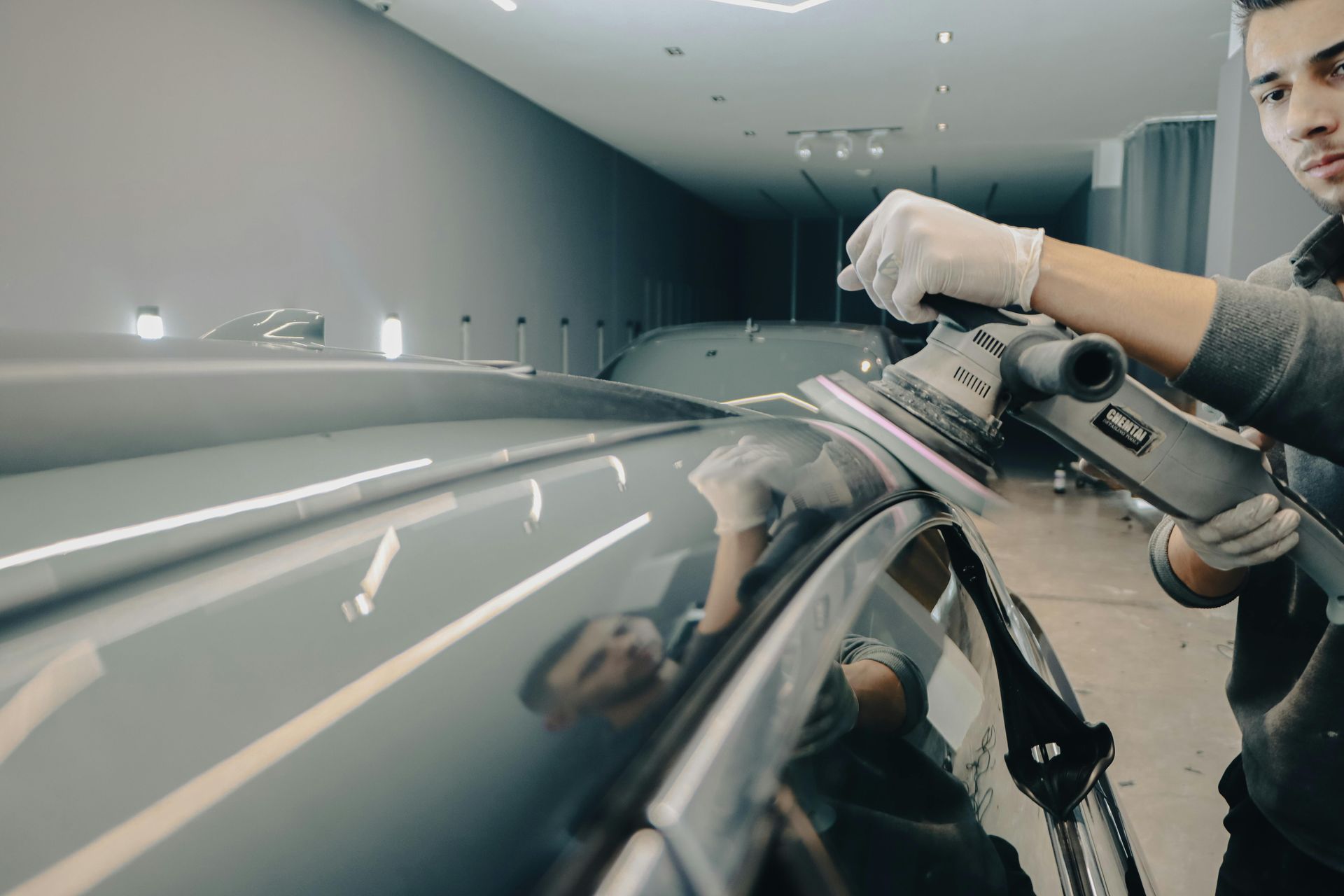
PPF alone leaves the surface feeling slightly different from bare paint — it's protected but not hydrophobic. Ceramic coating applied over PPF solves this. The ceramic adds water-beading, makes the film easier to clean, and gives the entire vehicle a consistent, enhanced finish.
Our most common recommendation:
PPF Front or PPF Track on the high-impact zones, with ceramic coating over the full vehicle.
You get physical impact protection where it matters most, and a full ceramic finish that makes the whole car look better and stay cleaner longer.
Still Deciding?
The honest answer is that paint protection film is worth it for most Vancouver drivers who care about their vehicle — but the right package depends on your car, your driving habits, and your budget.
We offer free consultations at our Richmond studio. Bring the car in, we'll assess the paint, talk through how you use it, and give you a straight recommendation. No pressure, no upselling.
Inspire Auto Studio is Richmond, BC's trusted paint protection specialist, serving Richmond and Greater Vancouver. We specialize in PPF, ceramic coating, window tint, and detailing.