Window Tint Laws in BC — What's Legal in 2026
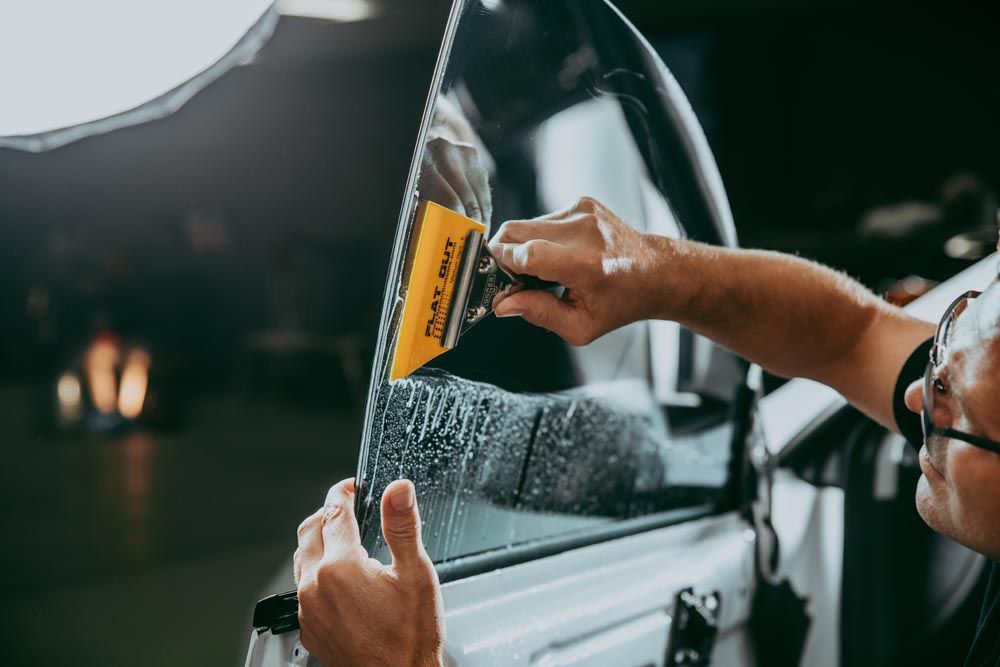
If you've searched "window tint laws BC" and ended up more confused than when you started, you're not alone. A lot of what's online mixes up BC rules with Ontario or Alberta rules, or repeats outdated information. Here's what the BC Motor Vehicle Act actually says — and what it means for your car.
What the BC Motor Vehicle Act Actually Says
Under Section 7.04(8) of the BC Motor Vehicle Act, no person shall drive a vehicle on a highway that has any material affixed to the windshield or windows that reduces light transmission — unless that material is on:
- The top 75mm of the windshield (the shade strip)
- A side window that is behind the driver
- The rear window (if the vehicle has outside mirrors on both sides)
That's the written law. Rear windows are explicitly permitted. Front side windows aren't mentioned as an exception — which is where it gets nuanced.
Rear Windows — No Restrictions
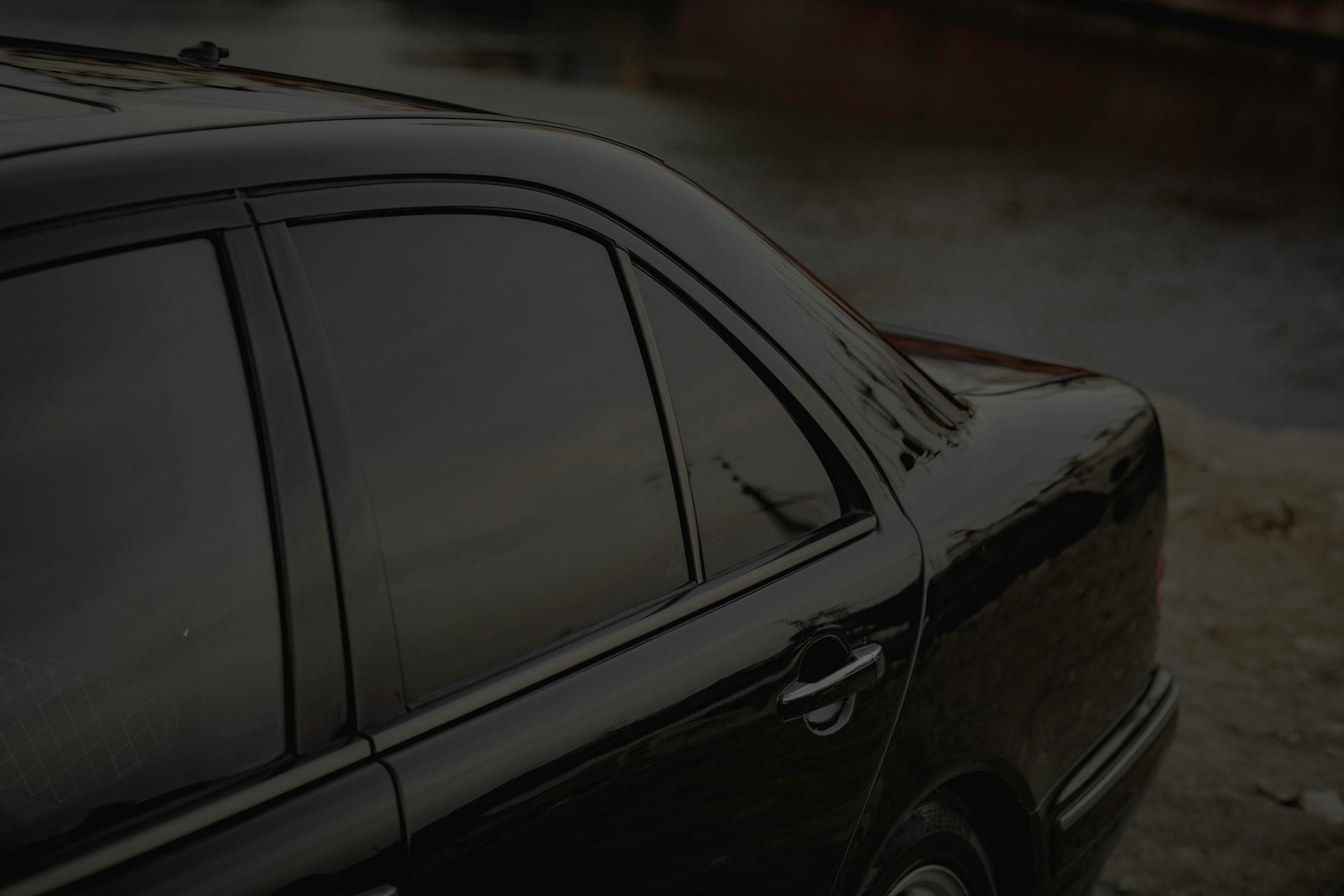
Rear side windows (behind the driver): No restriction. You can go as dark as you want — 35%, 20%, 5% limo tint. All legal.
Rear window: No restriction, provided your vehicle has exterior mirrors on both the left and right sides.
This is where most of the tinting work happens for BC drivers, and there's nothing stopping you from going as dark as you like back there
Front Windows — What You Should Know
The BC Motor Vehicle Act prohibits any material that reduces light transmission on front side windows. The law doesn't set a threshold — it says "reduces," which technically covers any film, including near-clear ceramic options.
In practice, many BC drivers have light ceramic film on their front windows and enforcement typically targets visibly dark tint. But we're not going to tell you a workaround is legally clear-cut when the law says what it says.
If front window protection is something you're interested in — whether for UV blocking, heat reduction, or privacy — come in for a consultation. We'll walk you through your options honestly, show you what different films actually look like, and help you make an informed decision for your situation.
VLT Percentages — What the Numbers Mean
VLT stands for Visible Light Transmission. It measures how much light passes through the film. Higher VLT = lighter tint. Lower VLT = darker tint.
Here's a rough reference for rear windows (where you have full choice):
- 50% VLT — Light tint. Subtle, reduces glare.
- 35% VLT — Medium tint. The most popular choice. Looks clean, meaningful heat and privacy.
- 15% VLT — Dark tint. Strong privacy, noticeably darker.
- 5% VLT — Limo tint. Very dark. Legal on rear windows in BC with proper mirrors.
For front windows, the legal answer is no film — not even a light one.
What About the Windshield?
The windshield shade strip (top 75mm) is the only tinting permitted on the front glass. That's the dark band you see across the top of most windshields — it's either factory-applied or a light film.
There is one option worth knowing about: high-VLT ceramic film applied to the full windshield. This is a near-clear film — often 90%+ VLT — used specifically for heat and UV rejection, not visible tinting. Whether this falls within the regulation depends on interpretation of "reduces the light transmitted," so if this is something you're considering, it's worth discussing with us directly. We'll give you an honest answer before recommending anything.
The Most Common Question We Get
"Can I get 35% tint on my car in BC?"
On your rear windows — yes, absolutely. No restrictions, go as dark as you want.
On your front windows — the law restricts any film that reduces light transmission, so 35% is off the table. Front windows are a different conversation. Come in and we'll talk you through what makes sense for your car.
Get the Right Tint for Your Car
At Inspire Auto Studio in Richmond, we install Llumar window film. We'll tell you exactly what's legal on your vehicle and give you a result that looks clean, performs well, and won't get you a ticket.
If you're not sure what you want, come in for a consultation. We'll walk you through your options based on your car and how you use it.